Roof Repair
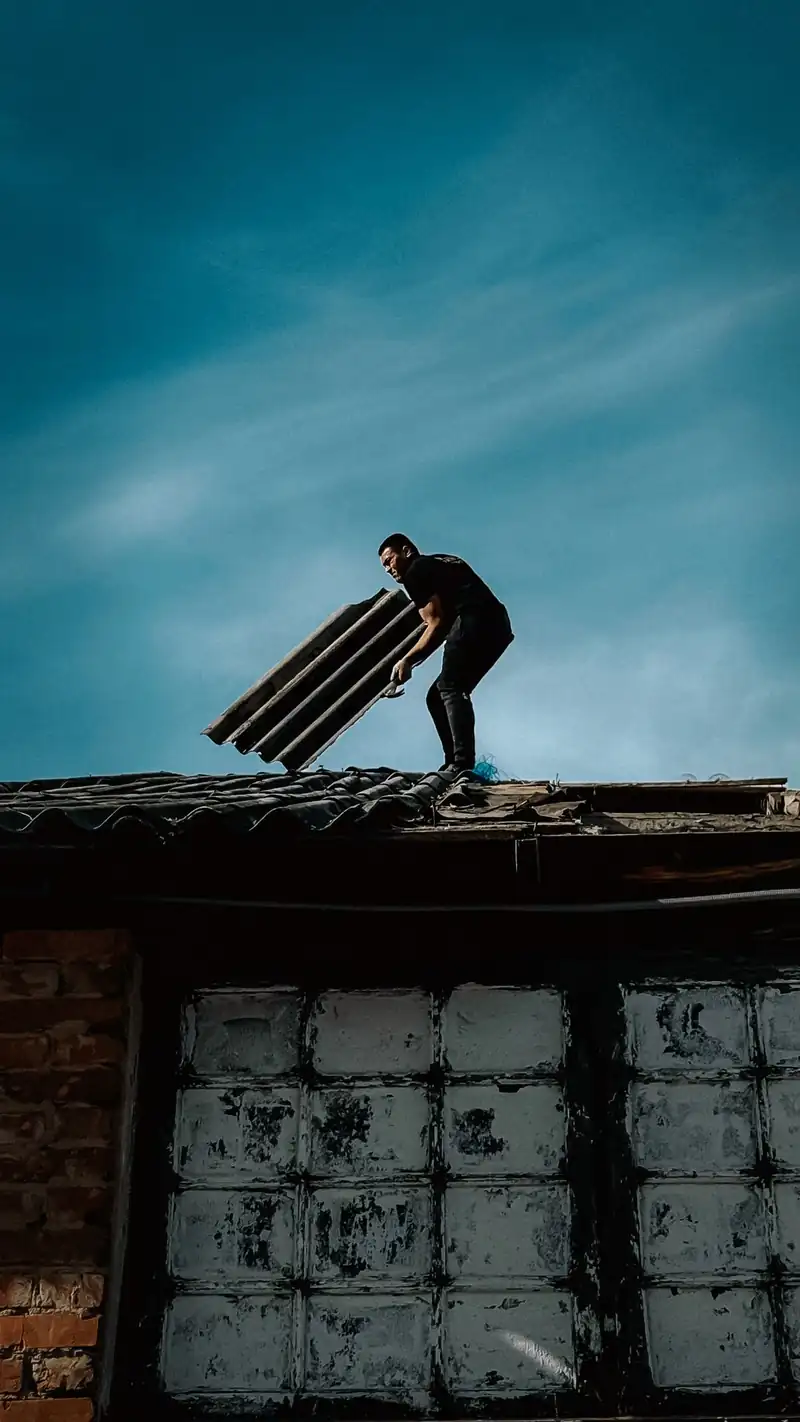
Leaks, damaged shingles, flashing problems, and storm damage addressed with focused, practical repairs.
Learn More
Protect your property with dependable roofing solutions, from roof repairs and inspections to complete roof replacements and installations.
Roofing work is easier to arrange when the process is clear, the options are explained plainly, and the estimate is written down before anything is agreed.
Comprehensive Roofing Services
Repair, replacement, installation, inspection, and gutters are covered in one place, so a single request can cover the whole roof. Each service is explained on its own page, so you can compare what it involves before requesting an estimate.
Residential & Commercial Solutions
Roofing options are available for houses, multi-family buildings, and commercial properties across the state. The right approach depends on the building's roof type, size, and use, rather than a single package applied to every property.
Professional Project Communication
Clear updates are given at each step, from the first estimate request through to the final review. Questions about scope, materials, or timing are answered in plain language before anything is agreed.
Quality Roofing Materials
Asphalt, metal, flat membrane, and tile roofing systems are available, each suited to different roofs and budgets. Material choices are laid out with their strengths explained, so the decision is made with the facts in front of you.
Clear Project Estimates
Estimates are written and set out line by line, showing the scope and the materials before any work is scheduled. Nothing is agreed until the written proposal has been reviewed and questions about it have been answered.
Service-Focused Approach
Recommendations are shaped around the property's roof, its condition, and what is needed from it. Where a repair is the sensible option, a repair is what is proposed; replacement is discussed only where the roof's condition calls for it.
24/7 Emergency Roofing
Emergency roofing services are available 24/7 — call (936) 303-3405 at any hour.
From a small leak to a complete new roof, find the service that matches what your property needs.
Leaks, damaged shingles, flashing problems, and storm damage addressed with focused, practical repairs.
Learn More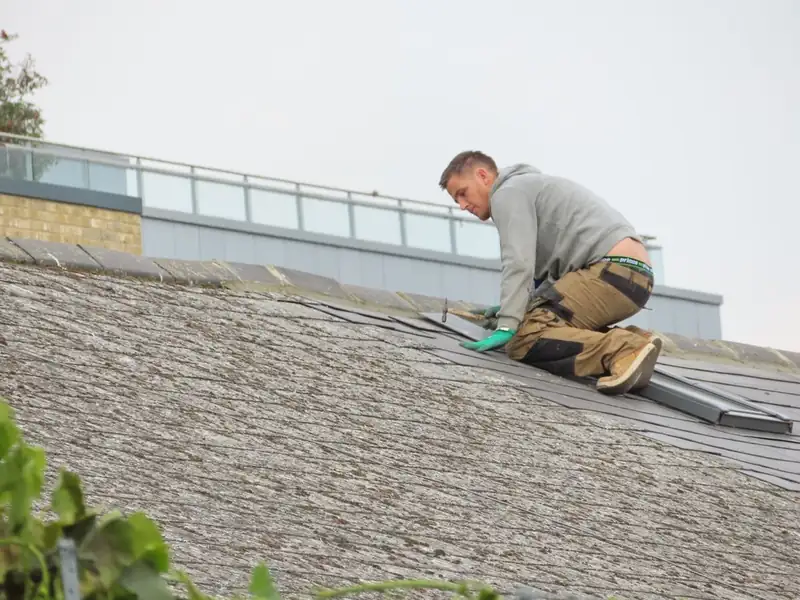
Complete roof replacement when repair is no longer the right option for an aging or failing roof.
Learn More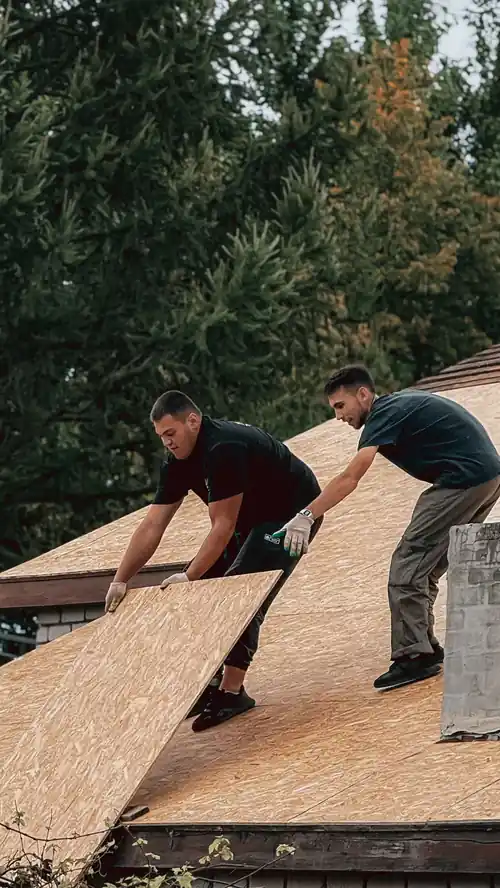
New roof installation for new construction and additions, in asphalt, metal, flat, and tile systems.
Learn More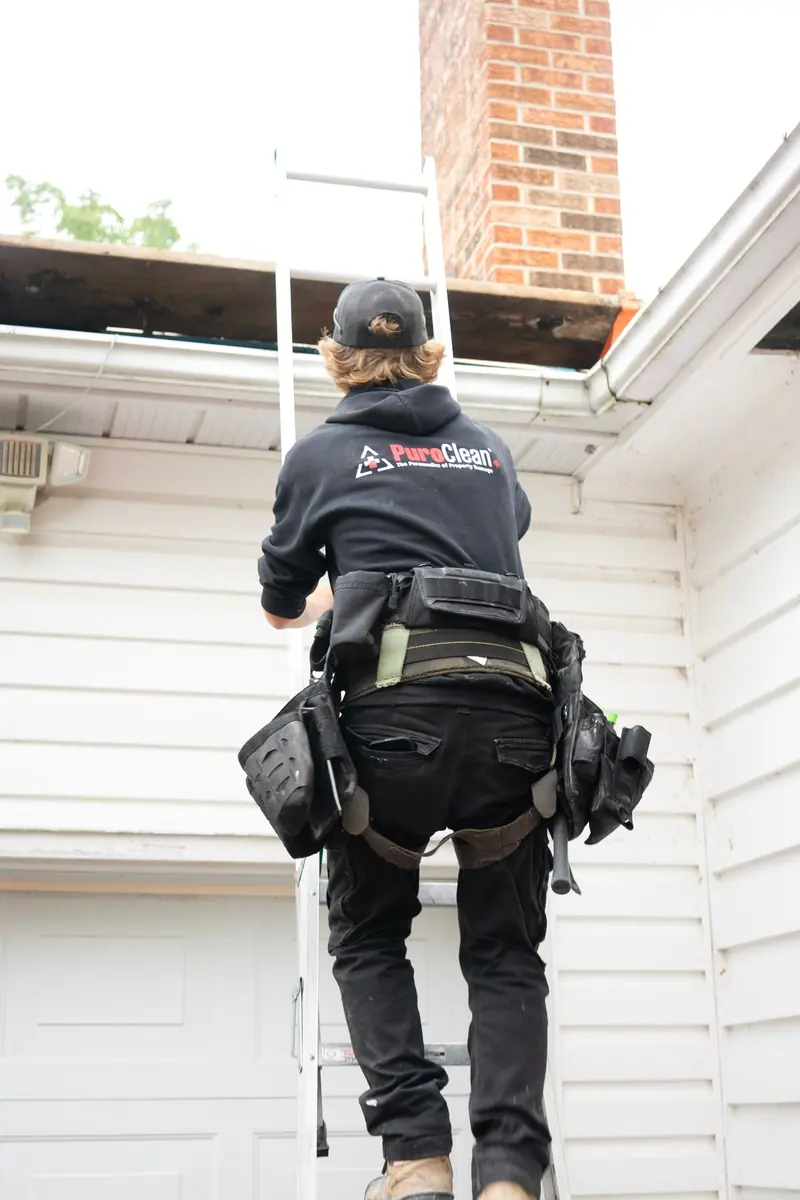
Detailed roof inspections that document condition, catch small problems early, and inform next steps.
Learn More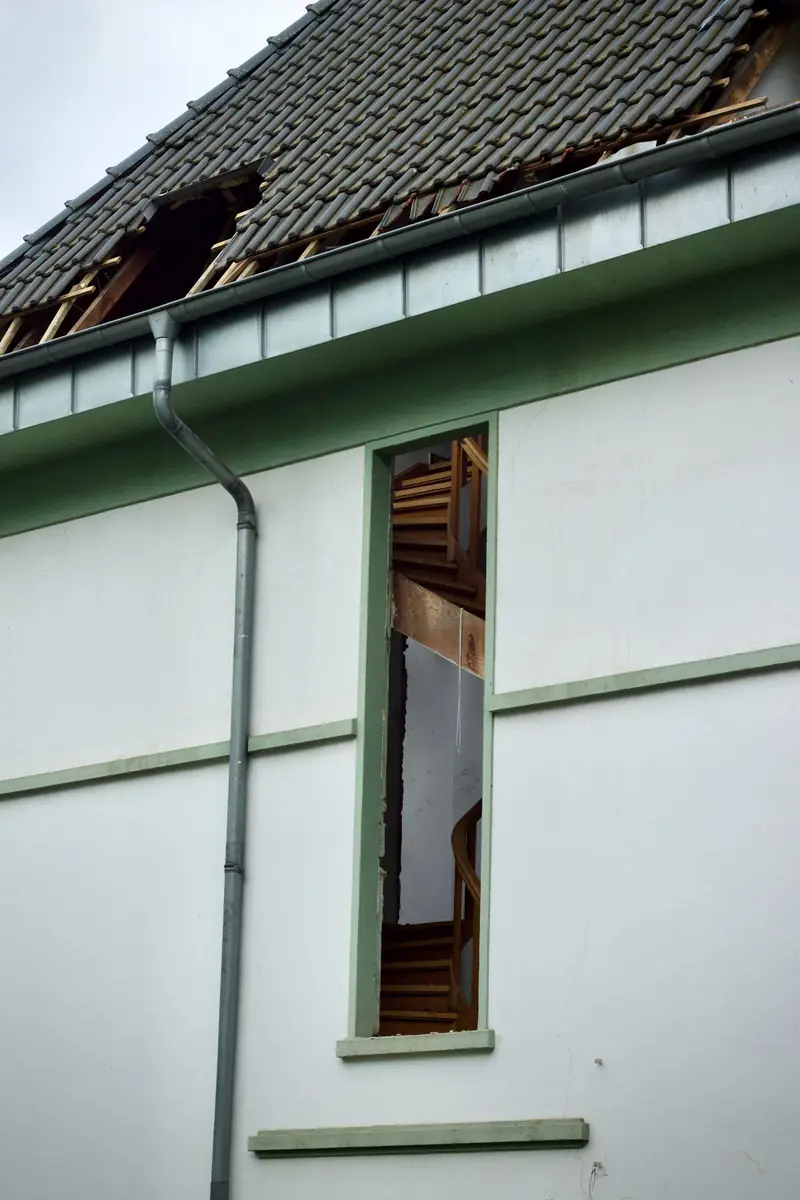
Urgent help for active leaks, storm damage, fallen trees, and roof openings that need to be secured.
Learn More
Gutter installation, repair, replacement, cleaning, and guards that keep water moving away from your home.
Learn More
Roofing decisions are easier when the process is clear. Estimates are explained in plain language, options are laid out honestly, and the work is arranged through independent local providers matched to the job.
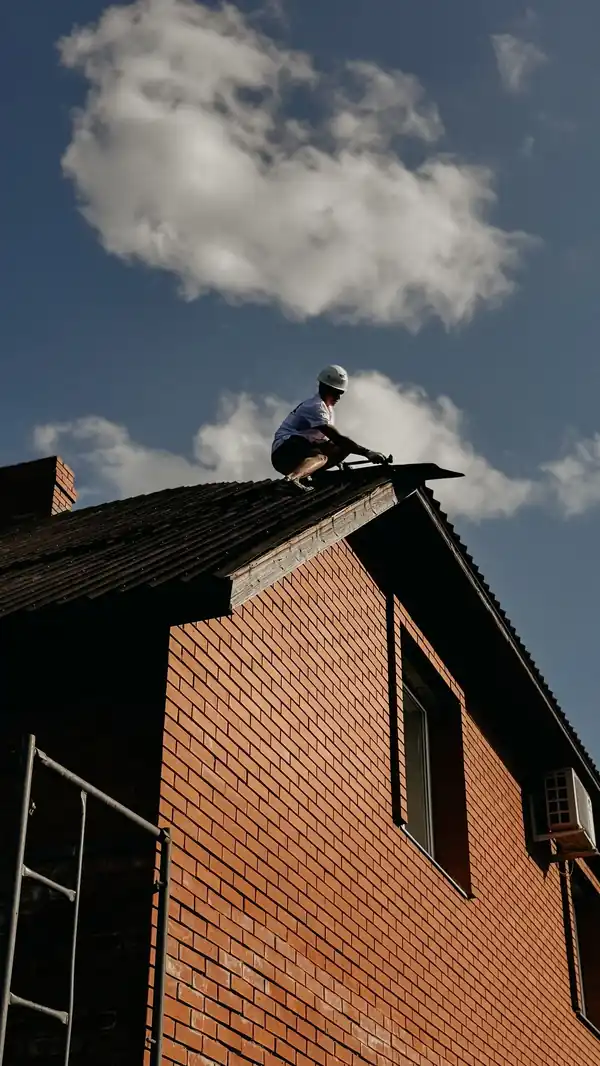
A missing shingle or a slow leak rarely stays small. Repair work focuses on the damaged area — shingles, flashing, valleys, and penetrations — so the rest of the roof keeps doing its job.
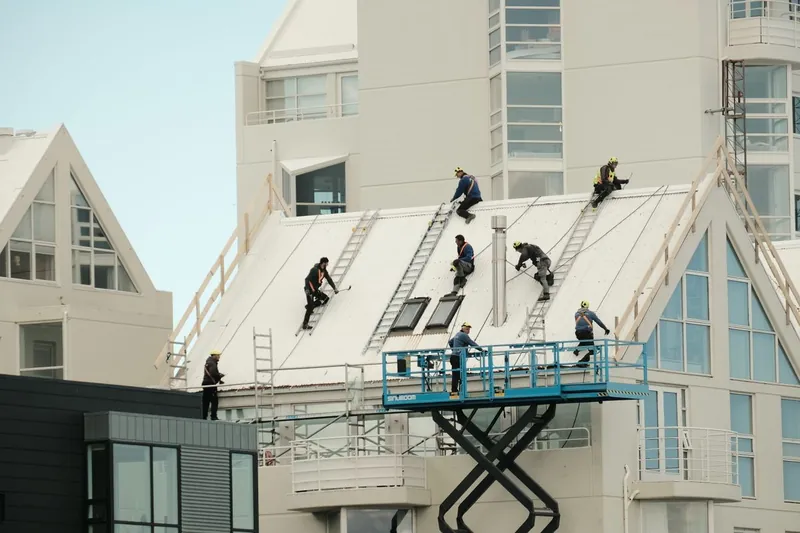
Some roofs reach the point where repeated repairs cost more than they save. A complete replacement starts fresh — new underlayment, flashing, and roofing material, chosen for Massachusetts weather.
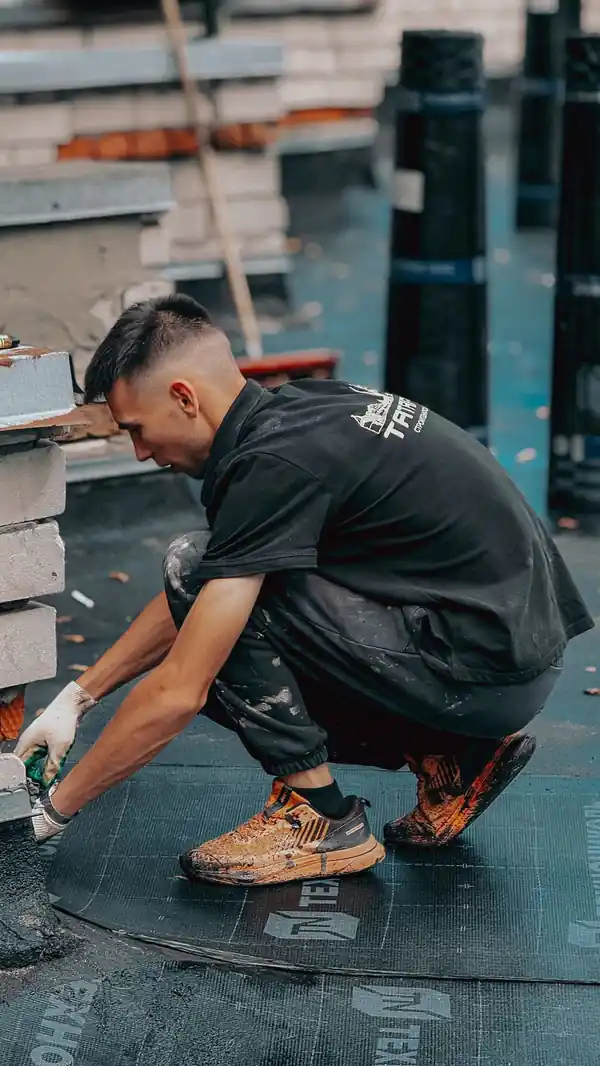
New construction and major additions need a roof system planned around the building — pitch, ventilation, drainage, and material all work together from the first layer.
Replacement, leak repair, and metal and flat installation each work differently. Here is what each one involves, so you can tell which matches your roof.
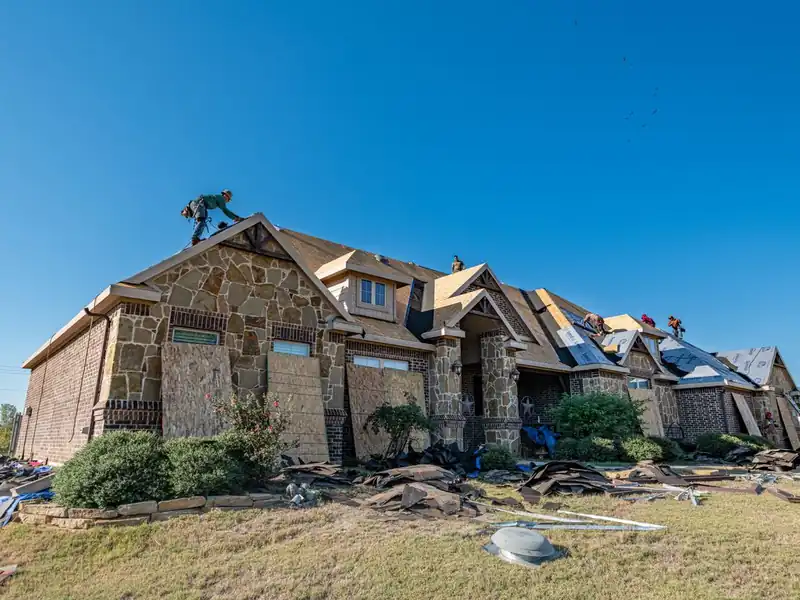
A failing roof threatens your entire property. A complete roof replacement begins with a 100% tear-off of aged materials down to the structural plywood decking, inspecting every rafter for rot or water damage before any new layer is installed.
In accordance with Massachusetts building codes, self-adhering ice-and-water barrier membranes are installed extending a minimum of 24 inches past the interior warm wall, guarding your home against winter ice damming.
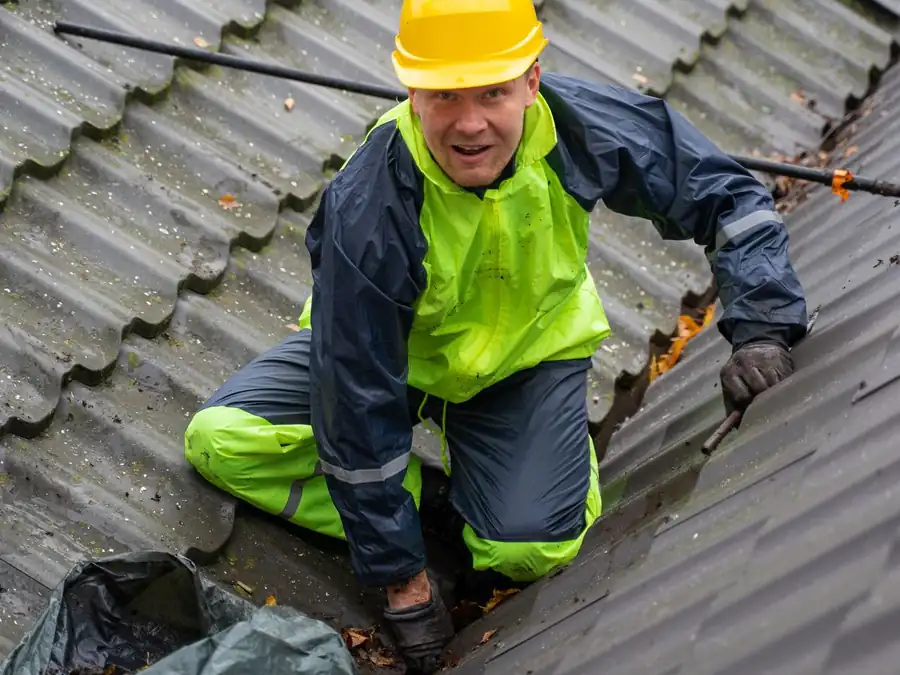
Water intrusion rarely starts where you notice the ceiling stain. Water tracks along rafters, electrical conduit, and insulation before dripping down. Independent local roofing providers use thermal imaging cameras to pinpoint exact entry points around chimneys, dormer step flashing, and valleys.
Independent local providers replace rusted step and counter flashing with custom-bent aluminum and soldered copper flashing built to outlast decades of Massachusetts freeze-thaw cycles.
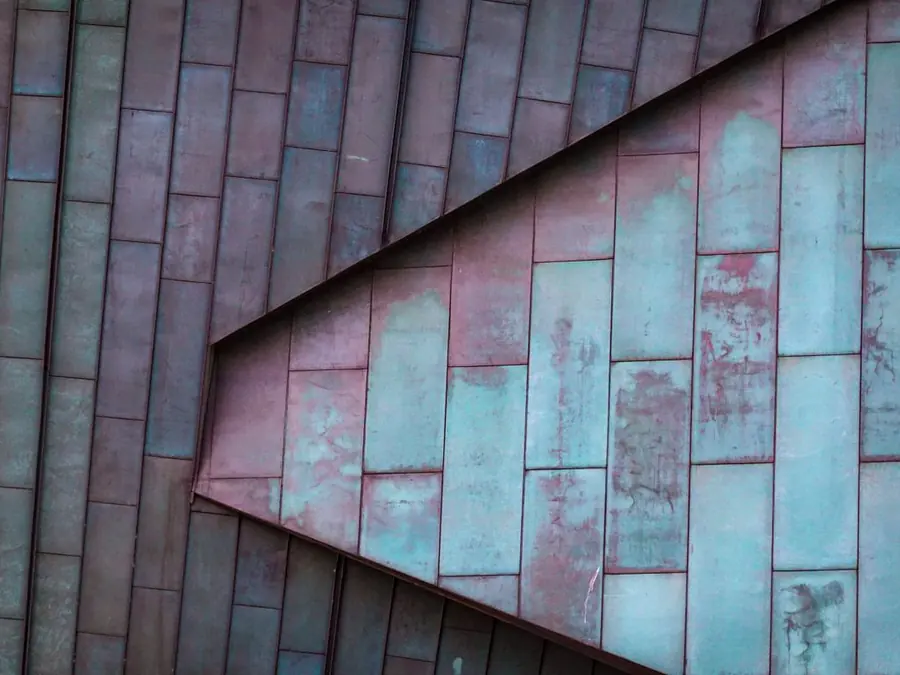
For modern homes, coastal properties, and commercial buildings in Massachusetts, standing seam metal and single-ply membranes (TPO/EPDM) provide exceptional longevity. Concealed fasteners eliminate puncture vulnerabilities, and smooth metal surfaces shed heavy winter snow naturally.
On low-slope extensions and commercial roofs, heat-welded TPO membranes create seamless, impervious water barriers with reflective cool-roof energy savings.
Three quick selections — roof size, material, and pitch — help shape your estimate request. No figure is shown here: an exact written quote only comes after an inspection of your specific roof.
An exact figure depends on an inspection of your specific roof — size, pitch, material, decking condition, and removal all affect it — so no price is shown here. Your selections above carry over into the estimate form when you continue.
Request Your Exact Written Quoteor call (936) 303-3405
Nor'easters, ice dams, humid summers, and freeze-thaw cycles all shape what works on a Massachusetts roof. These are the systems available, with their strengths explained on the linked pages.
A straightforward process, so you always know what happens next.
Tell us about your roof and what you have noticed — the estimate is free and written.
Talk through the options and what matters most to you.
Review a written, line-item proposal covering the scope and materials before anything is scheduled.
Independent local providers carry out the agreed work.
Walk through the finished work and confirm it meets the plan.
Roofing projects from across Massachusetts — colonial re-roofs, historic flat roofs, standing seam metal, storm repairs, commercial membranes, and coastal slate.
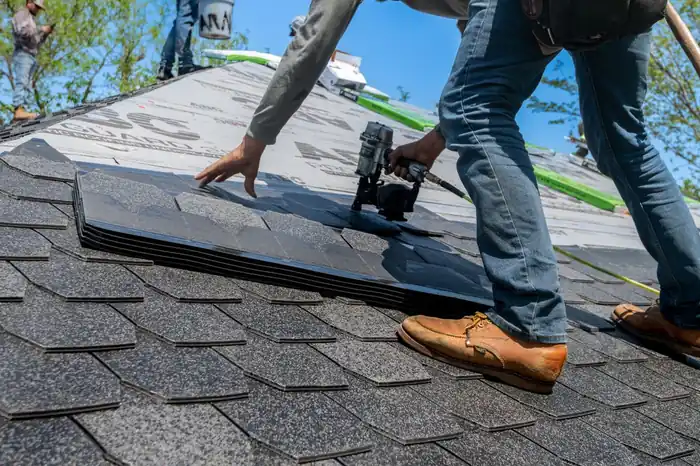
Full tear-off of 2 old layers, installation of dual ice-and-water barriers, and CertainTeed Landmark Pro shingles in Charcoal.
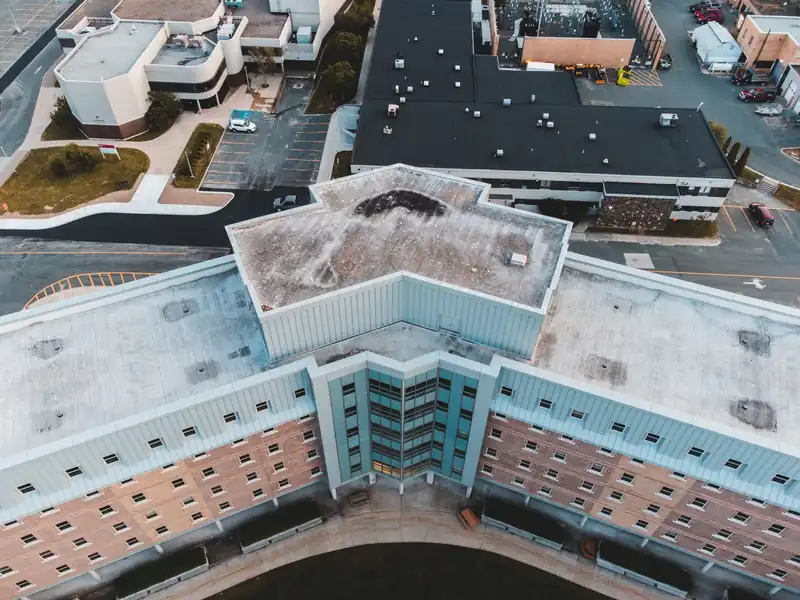
Complete EPDM rubber membrane installation with custom soldered copper coping and parapet wall waterproofing.
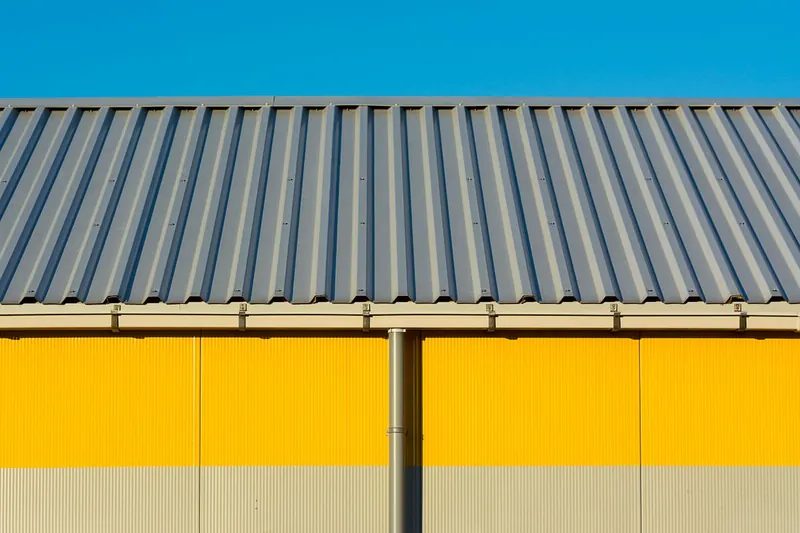
24-gauge standing seam Galvalume metal roof with concealed fasteners, providing permanent snow shedding and 50+ year longevity.
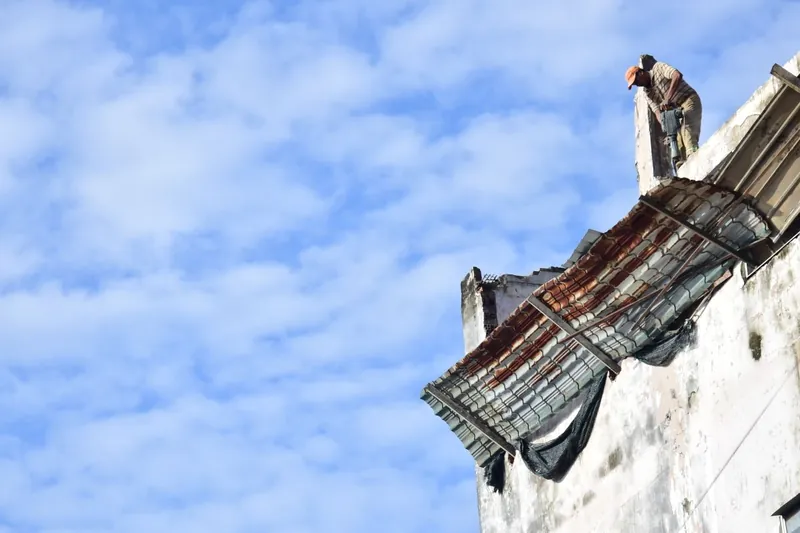
Post-storm leak repair including chimney step flashing rebuild, blown-off ridge cap reconstruction, and high-wind shingle sealing.
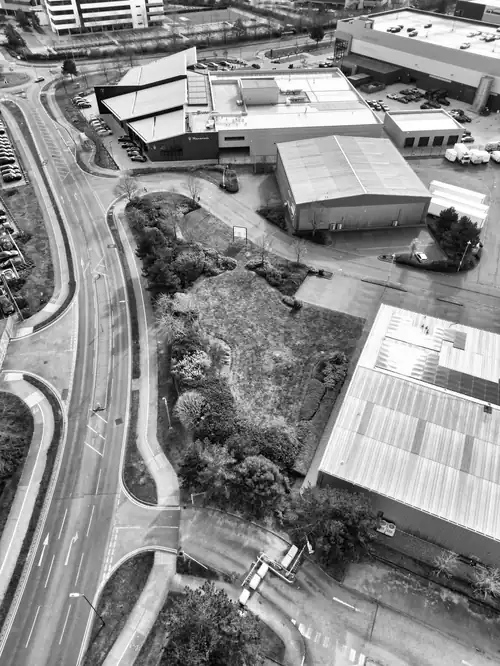
18,000 sq ft heat-welded 60-mil white TPO membrane installation with polyiso tapered insulation to eliminate ponding water.
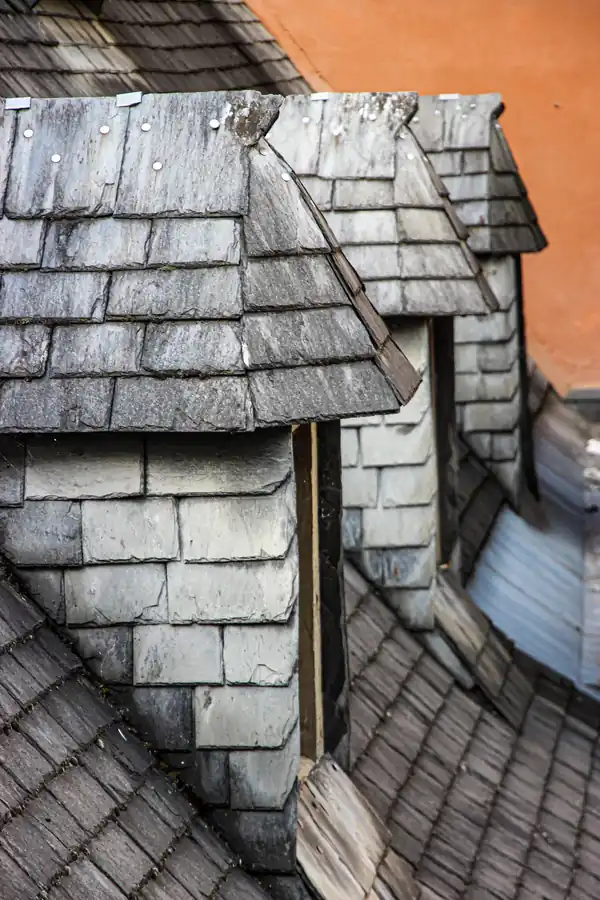
Conversion of deteriorating cedar shakes to synthetic composite slate with Class 4 impact resistance and non-corrosive copper nails.
Illustrative photographs of roofing work and materials. These images show the kind of roofing discussed on this site; they are not presented as Atlantic Crest Roofing projects.
Select a city to see roofing services for that area. Coverage includes Boston, Worcester, Cambridge, Lowell, and communities across the state.
Stylised service-area map. Marker positions are approximate and show service areas only; they are not precise geographic coordinates. View on Google Maps ↗
Atlantic Crest Roofing connects homeowners and businesses with independent local roofing providers across Massachusetts, from Boston and the North Shore to Worcester and the South Shore. The map below is Google's, provided for orientation — use it to find your part of the state, then explore the service area pages for local detail.
“A good roofing decision starts with a clear picture of the roof — what it needs, what it will take, and what it will cost — before any work is agreed.”
Atlantic Crest Roofing connects Massachusetts homeowners and businesses with independent local roofing providers. Estimates are requested online, options are discussed plainly, and the work is carried out by the provider matched to the project.
Learn more about our service approachCommon signs include shingles that are curling, cracking, or missing, granules collecting in gutters, daylight visible from the attic, and leaks that keep returning after repair. Age matters too — an older roof showing several of these signs at once is usually worth a professional inspection, which can confirm whether repair or replacement is the more sensible path.
Cost depends on the size and pitch of the roof, the material chosen, the condition of the decking underneath, and how much existing roofing must be removed. Because those factors vary so widely from one property to the next, the reliable way to get a figure is a written estimate based on an inspection of your specific roof.
Timing depends on the size and complexity of the roof, the material being installed, weather conditions, and whether decking repairs are needed once the old roofing is removed. The expected schedule for your property is discussed as part of the estimate, before work is scheduled.
Many leaks can be repaired. The first step is finding the source, which is not always directly above the stain or drip inside — water often travels along decking or rafters. Once the source is located, the repair may involve replacing shingles, resealing flashing, or fixing a penetration such as a vent or chimney. Leaks that recur in several places may point to wider wear that an inspection can assess.
Architectural asphalt shingles are the most common choice and handle snow, rain, and freeze-thaw cycles well. Metal roofing sheds snow effectively and suits steeper pitches. Flat and low-slope roofs use membrane systems designed to stay watertight where water drains slowly. Tile suits some properties but is heavier and less common in the state. The right choice depends on the roof's pitch, structure, and exposure.
A good habit is a professional inspection once a year, plus an inspection after a major storm, heavy snowfall, or ice dam season. Homeowners can also look from the ground for missing shingles, sagging areas, and debris in gutters between inspections, and check the attic for daylight or dampness after heavy rain.
First, make sure the property is safe and avoid climbing onto a damaged roof. Photograph any visible damage from the ground, move valuables away from leaks inside, and place a container under active drips. Then request an inspection so the damage can be documented and, where needed, temporarily covered to prevent further water entry while a repair plan is arranged.
Request a free estimate through the estimate form. If you use the estimator on this page first, your selections — roof size, material, and pitch — carry over into the form. An exact written figure only comes after an inspection of your specific roof, because size, pitch, material, decking condition, and how much old roofing must be removed all affect it. No price is given online.
Tell us about your roofing needs and take the next step toward protecting your property.


